Learn to read
your plant.
Get to know the signs. Our guides help you look more closely and find a useful next step.
What do you notice about your plant?
Choose an observation and the condition in the pot. Find a reading path for your first check. This selection does not diagnose your plant.
All reading paths are available below.
Yellow leaves, dry rootball
Check water uptake and the last watering date. Leaf colour alone does not establish a nutrient deficiency.
Yellow leaves, very wet rootball
Open the outer pot and inspect drainage and the plant base. Avoid adding water just because leaves are yellow.
Yellow leaves, moisture needs context
Compare leaf age, deeper moisture and recent moves. Describe the pattern first.
Drooping leaves, dry rootball
Check whether water reaches the mix and drains afterwards. Consider the species.
Drooping leaves, wet rootball
Remove standing water and check drainage. A soft base or disintegrating roots needs expert assessment.
Drooping leaves, cause still open
Check deeper in the pot and record the daily pattern. Wilt can occur with moist soil.
Curling leaves, dry rootball
Separate new growth from changed older leaves. Confirm dryness before watering.
Curling leaves, wet rootball
Leaf shape alone does not prove thirst. Check drainage, the base and additional changes.
Curling leaves, look for more context
Check leaf age, undersides and position. Do not force young growth open.
Spots or silvery areas
Photograph both leaf surfaces and look for animals. Compare recent sun exposure and the pattern across leaves.
White coating or cotton
Describe shape and location: a broad layer or clusters at leaf joints? Photograph before cleaning.
Small flies near the pot
Check whether they emerge from the mix. Match moisture to the plant; adults and larvae raise different questions.
Rapid decline, soft tissue or unclear findings: keep several views and a timeline, then seek expert advice.
Guides by symptom
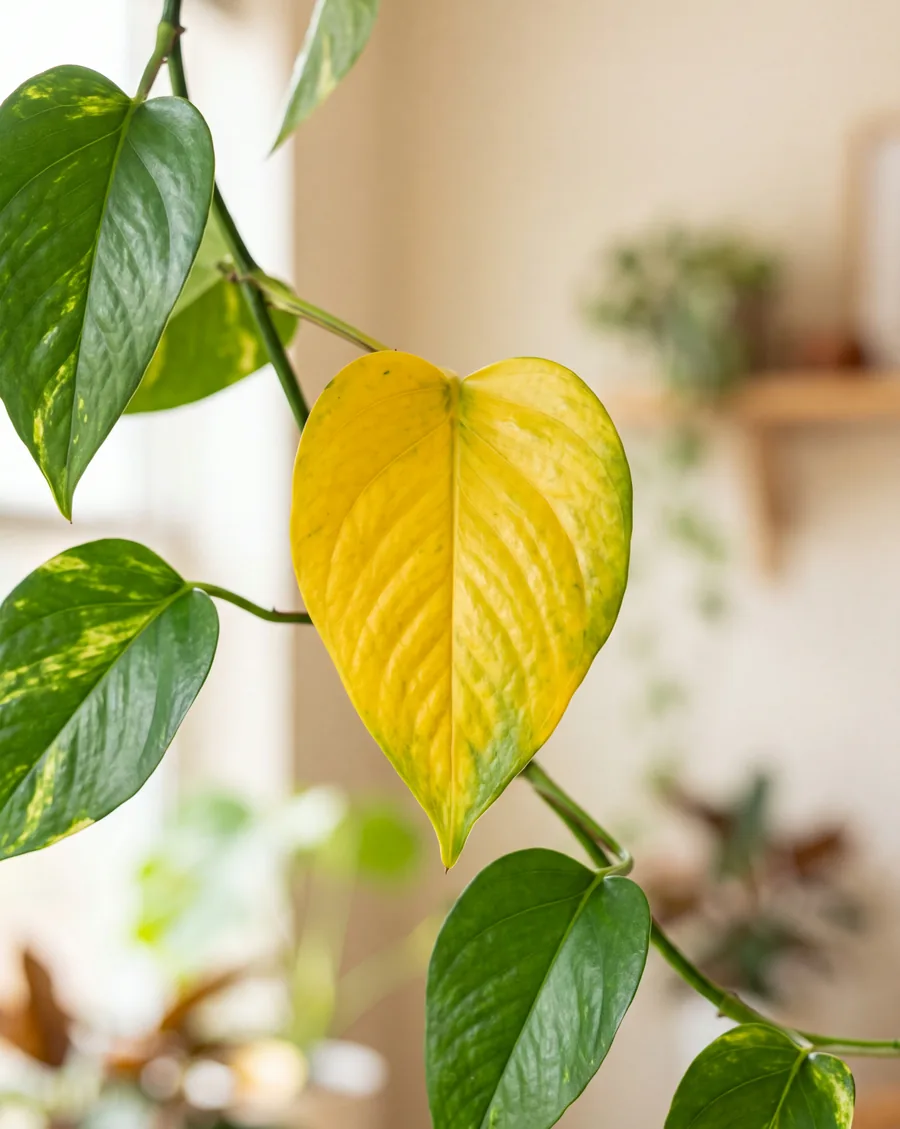
Yellow leaves
A yellow leaf is a clue. Which leaves are affected and how the soil feels can help you narrow down what is happening.
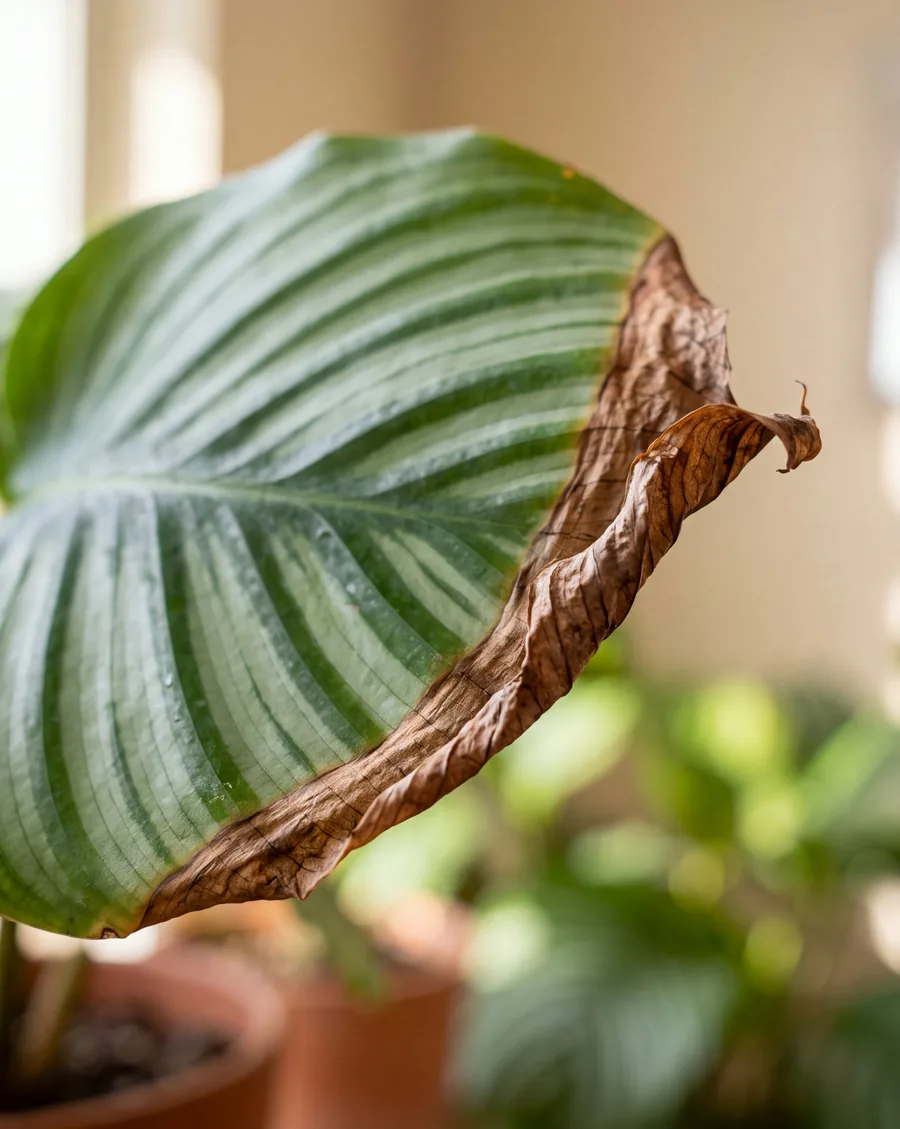
Brown leaf tips
Brown tips are easy to notice. Start by checking whether only the edges are dry or larger areas of the leaf are affected.
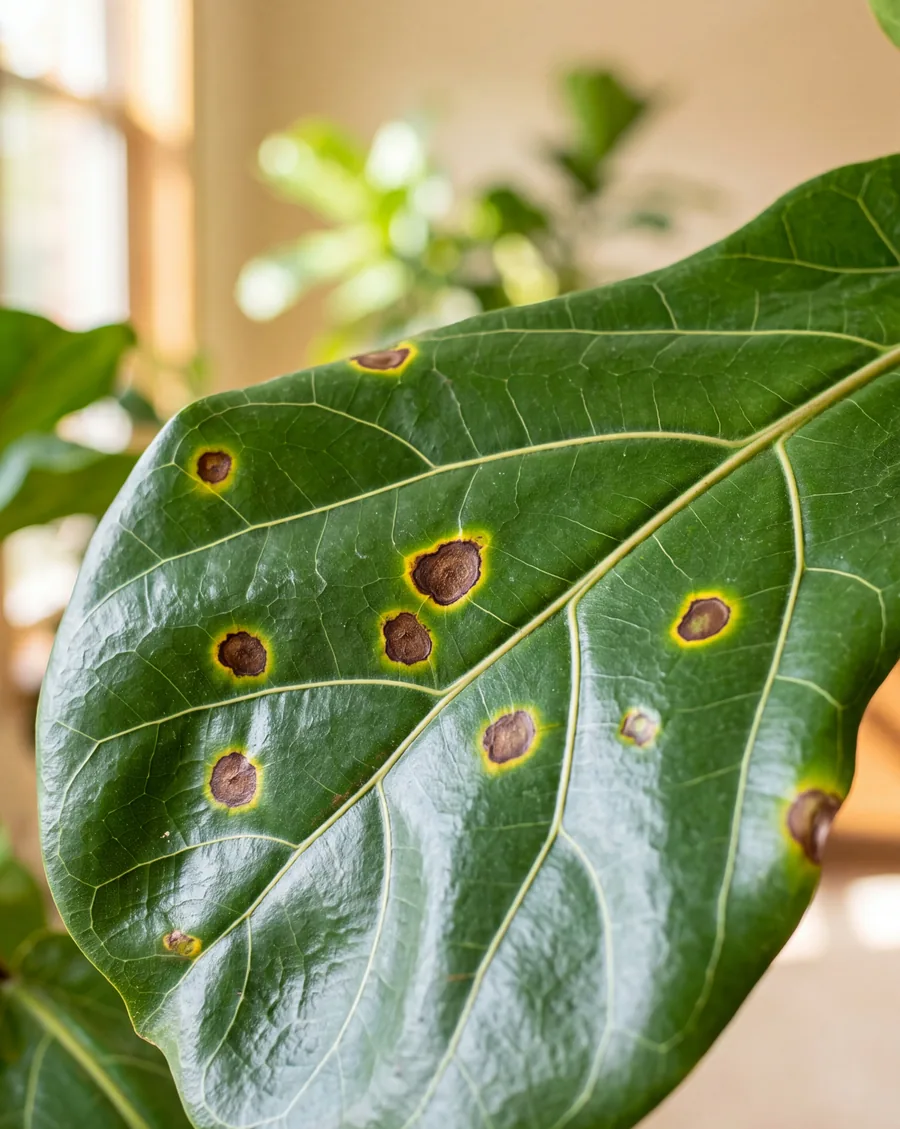
Spots on leaves
Not every spot is a plant disease. Shape, distribution and the underside of the leaf provide useful additional clues.
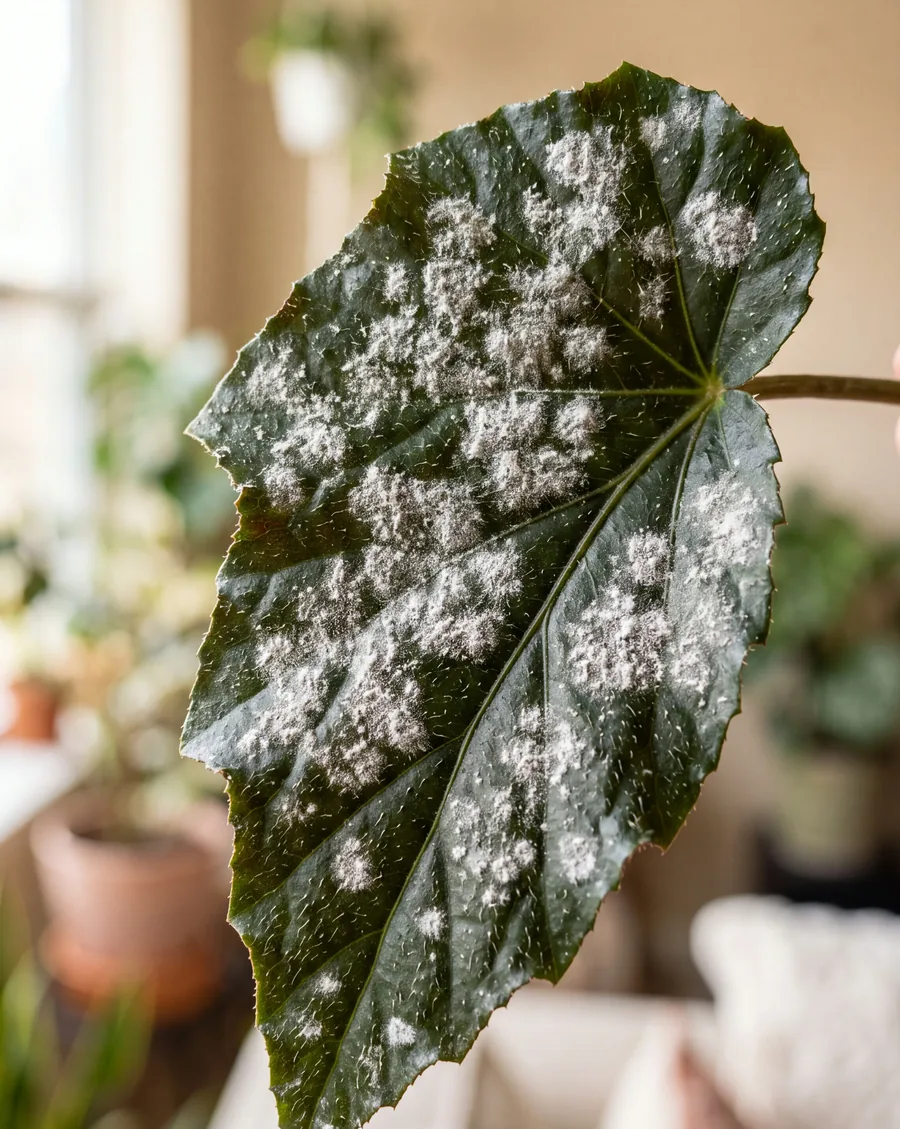
White coating
White marks can have different causes. A layer across the leaf is different from small cotton-like clusters in sheltered joints.
Guidance for your next step.
Check a specific symptom
Use pattern, moisture and progression to choose the next check.
- Leaf dropOne old leaf or rapid leaf drop? Review count, leaf age, location changes, moisture and other signs before changing houseplant care.
- Curling leavesAssess curled or distorted houseplant leaves: distinguish fresh growth from older leaves, check moisture and look for additional features.
- Assess sun scorchPale or dry leaf patches after a move? Review direct sunlight, the pattern and other signs before assuming houseplant sun scorch.
- Assess root rotWilt despite moist soil, soft roots and a damaged stem base: assess possible houseplant root rot and prepare a useful inspection.
- Drooping leavesA plant wilting in moist soil? Separate observations from assumptions, check the pot and location and document what changes over time.
Compare possible pests
Inspect animals and locations before choosing an action.
- Fungus gnatsSmall dark flies near houseplant pots? Assess possible fungus gnats, check moisture appropriately and distinguish adults from larvae in the mix.
- Spider mitesDistinguish pale leaf speckles, tiny animals and webbing: assess possible spider mites on houseplants and create a useful record.
- Assess thripsSilvery leaf damage and small elongated insects: assess possible thrips, separate other causes and collect useful observations.
- MealybugsInspect cottony white clusters on houseplants: compare mealybugs with other coatings, check sheltered areas and record changes over time.
- Pest checkA careful houseplant pest check: inspect shoots, undersides and nearby plants, photograph what you find and seek focused advice before treatment.
Care for the species
Peace lilies and snake plants need different watering decisions.
- Peace lily careObserve Spathiphyllum with a useful care check: bright indirect light, actual soil moisture and different causes of drooping or brown leaves.
- Snake plant careCare for Sansevieria: check drying and drainage, then distinguish soft tissue from old marks before changing watering or repotting.
- Overwatered plantWet soil with yellow or drooping leaves? Check standing water, drainage holes and recent changes before treating an overwatered houseplant.
- Dried-out plantA very light pot, dry rootball and wilting leaves: check drought stress and whether water actually reaches your houseplant’s potting mix.
Understand care
Consider water, light and the pot together.
- Care basicsA clear starting point for houseplant care: check location, water and the pot, record changes and choose the guide that answers your next question.
- WateringWater by need: check moisture, pot weight and drainage. A practical decision process for houseplants instead of a rigid watering calendar.
- Light & locationUnderstand direct sun, bright indirect light and shade. Check your houseplant’s actual location at different times and make deliberate adjustments.
- RepottingWhen repotting may help, how potting mix and drainage matter, and what to record and observe after moving a houseplant into a new container.
- Winter careShorter days, heating and cold windows change indoor conditions. Review moisture, plant placement and care reminders during winter.
Look more closely
Describe changes before choosing a treatment.
- Drooping leavesA plant wilting in moist soil? Separate observations from assumptions, check the pot and location and document what changes over time.
- Pest checkA careful houseplant pest check: inspect shoots, undersides and nearby plants, photograph what you find and seek focused advice before treatment.
- Clear plant photosA practical PlantDoctor photo guide: capture the whole plant, leaves and stem, and the problem area in good light without losing useful context.
- Understand resultsMake sense of PlantDoctor’s possible causes, care guidance and treatment steps. Compare observations and choose a next action you can explain.
Use the app day to day
Organise plants, tasks and unanswered questions.
- Your plant overviewUse saved plants, status and recent scans in PlantDoctor to prioritise plants that need checking and keep everyday care manageable.
- Care routineChoose PlantDoctor care tasks deliberately, build manageable checks and connect reminders with the plant’s actual condition.
- Questions & answersPlantDoctor answers by topic: iPhone and languages, internet for scans, AI limitations, saved plants, care tasks and subscription plans.
- Scan helpPlantDoctor scan help: check camera access, internet, photo quality and displayed allowances, then record a specific error for support.
- Reminder helpCheck PlantDoctor reminders: active care task, notification permission and iPhone settings, then narrow down a missing notification.
- Subscription & accountRestore a PlantDoctor purchase, manage an Apple subscription or delete an app account: choose the right action and prepare useful support details.
More plant knowledge.
Right in the app.
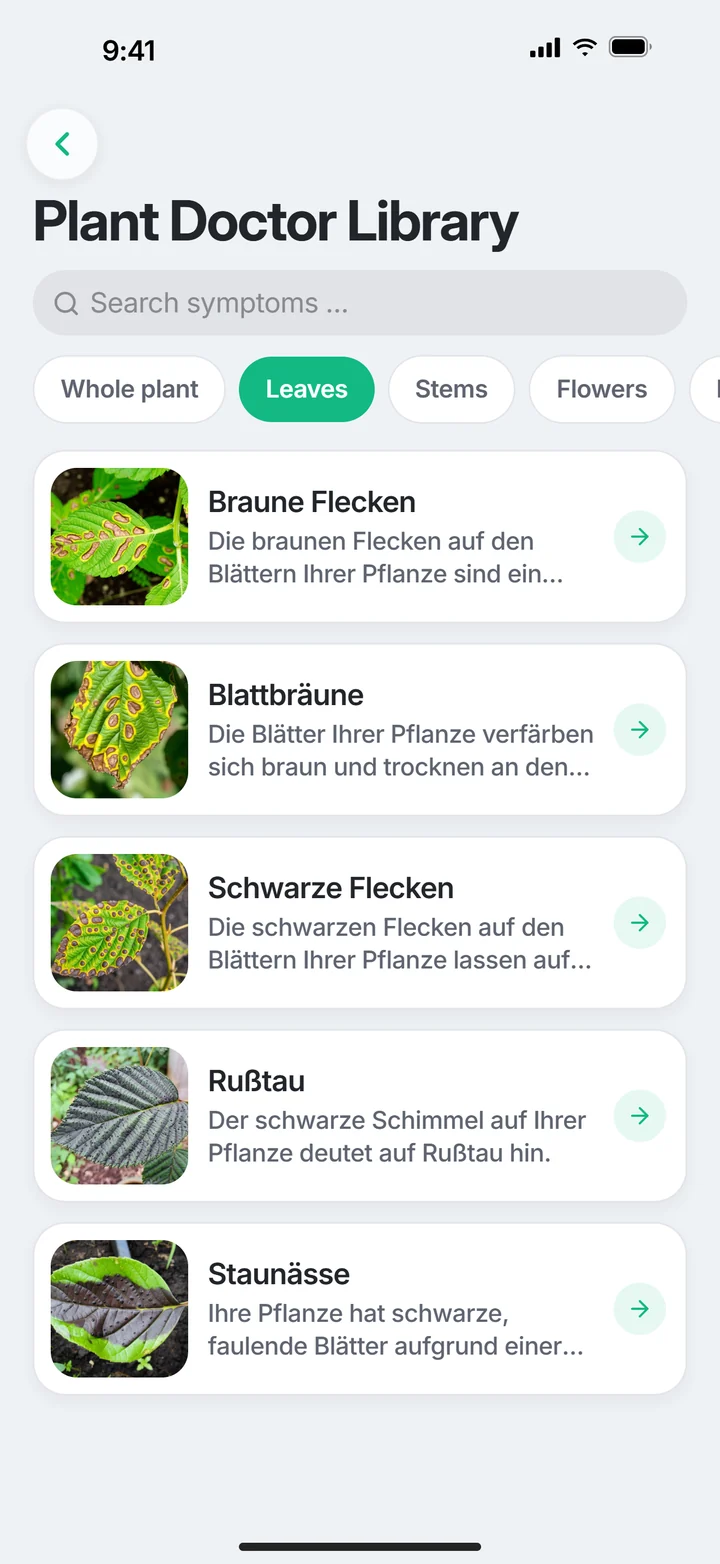
The in-app library covers 28 symptoms in six categories, with guidance on causes, treatment and prevention.
- Whole plant
- Leaves
- Stems & branches
- Flowers
- Fruit
- Pests