
Good plant care starts with a closer look
You do not need a perfect care calendar. You need a starting point: which plant is where, how its soil feels and what has changed.
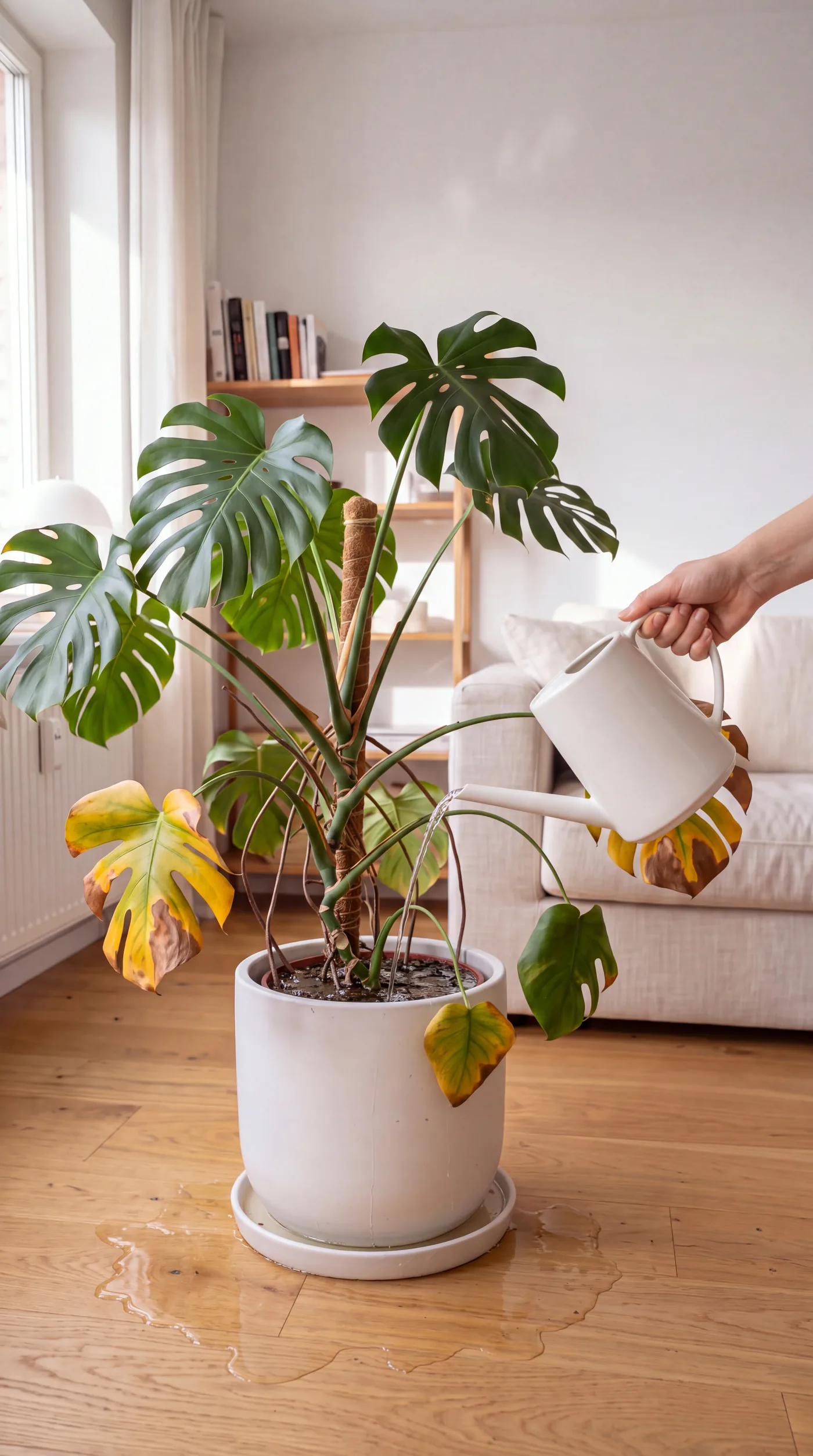
Observe, choose one suitable action, then check again. That makes it easier to see what helps your plant.
Start with one plant
Begin with the plant that caught your attention. Record its species or existing name, location and last watering date. If identification is uncertain, keep its needs as an open question. Two similar-looking plants may need different care.
Include the pot in your check
Look beyond the leaves. Check moisture and whether the inner pot can drain. An attractive outer pot tells you little about the roots. Photograph anything unusual before making changes so you have a useful comparison.
Read with a specific question in mind
If soil stays wet for a long time, start with watering. If the plant has moved, read about light. For a crowded or unsuitable container, try the repotting guide. You do not need to solve every part of plant care at once.
Judge progress fairly
Record what you changed. At the next check, ask whether new damage is appearing and how fresh growth looks. An already damaged leaf is not a reliable measure of every new care adjustment.
Make one complete starting check
Move deliberately from new growth to older leaves, undersides, stem and pot. Record only unusual findings in each area. A leaf problem can otherwise absorb attention while standing water goes unnoticed. Add the most recent change. This sequence gives you a manageable starting point to revisit later. It needs neither perfect species identification nor an invented health score. A complete first look is more informative than repeatedly photographing the same worst leaf from slightly different angles.
Decide separately for similar plants
Two pots of the same species can dry differently because size, mix or light differs. Check both even if they share a reminder. One checking day can simplify organisation; it does not imply one water volume. Use clear names such as kitchen-window plant and office plant. If a change occurs in only one specimen, the other remains an observation rather than automatically receiving the same treatment. Separate decisions make later differences easier to interpret and explain.
Bring an open question to an adviser
When causes remain difficult to separate, ask specifically: soil moist, fresh leaf loss since moving, no animals found; what further check would help? Add a timeline and clear views. That is easier to assess than a completed diagnosis without evidence. Rapid decline or soft tissue should not wait for prettier documentation. Expert help then has a clear reason, and your notes support the decision rather than becoming another requirement that delays it.
Explore the topics
- WateringWater by need: check moisture, pot weight and drainage. A practical decision process for houseplants instead of a rigid watering calendar.
- Light & locationUnderstand direct sun, bright indirect light and shade. Check your houseplant’s actual location at different times and make deliberate adjustments.
- RepottingWhen repotting may help, how potting mix and drainage matter, and what to record and observe after moving a houseplant into a new container.
- Winter careShorter days, heating and cold windows change indoor conditions. Review moisture, plant placement and care reminders during winter.
- Overwatered plantWet soil with yellow or drooping leaves? Check standing water, drainage holes and recent changes before treating an overwatered houseplant.
- Dried-out plantA very light pot, dry rootball and wilting leaves: check drought stress and whether water actually reaches your houseplant’s potting mix.
- Peace lily careObserve Spathiphyllum with a useful care check: bright indirect light, actual soil moisture and different causes of drooping or brown leaves.
- Snake plant careCare for Sansevieria: check drying and drainage, then distinguish soft tissue from old marks before changing watering or repotting.
Your quick check
- Describe the clearest change in one sentence.
- Check location, potting mix and drainage.
- Choose one adjustment you can explain.
- Compare the same view later.
Common questions about this topic
Is there one plan for all houseplants?
No. These basics help you observe; the actual care needs to suit the species and your conditions.
Do I need PlantDoctor?
These guides are free to read. PlantDoctor can help with photo analysis and, depending on your plan, a plant overview and care tasks.
Sources & further help
General editorial guidance. Species-specific care and expert inspection remain important for unclear damage.